
Iboga Microdosing & TBI: A Six-Week Case Study
This article follows an individual living with the long-term effects of a traumatic brain injury (TBI) across a six-week iboga microdosing journey, during which I provided education, ongoing support and psychological integration.

Carlie’s Story: Brain Injury, Ibogaine and Reclaiming the Self
Six years after a severe traumatic brain injury changed the direction of her life, Carlie Ostrom travelled to Mexico for ibogaine treatment. What followed was an experience she describes not simply as relief from long-standing symptoms, but as a reconnection with herself.
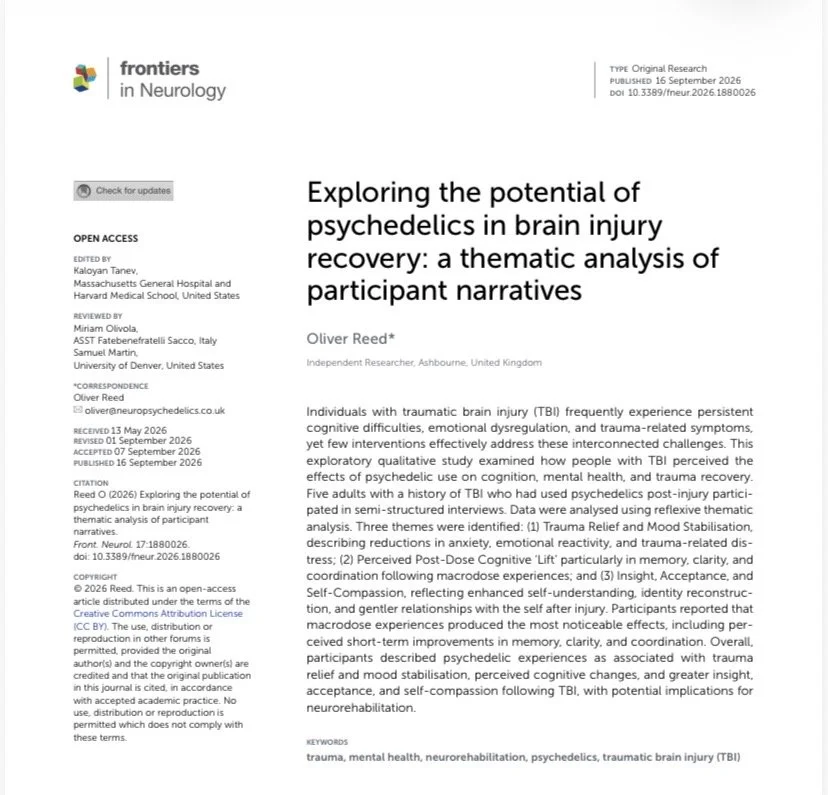
Delighted to see my first paper on psychedelics and brain injury published today in Frontiers in Neurology
Exploring the potential of psychedelics in brain injury recovery: a thematic analysis of participant narratives.
Iboga and the Dopamine Train: Rethinking ADHD in an Age of Overstimulation
What would happen if the compulsive pull toward novelty, reward and constant input could be interrupted long enough for attention, motivation and impulse control to reorganise around a lower-stimulation baseline?
Ibogaine and Brain Injury: The Evidence Continues to Build
New 12-month follow-up data adds to a growing body of research exploring ibogaine's potential for traumatic brain injury.
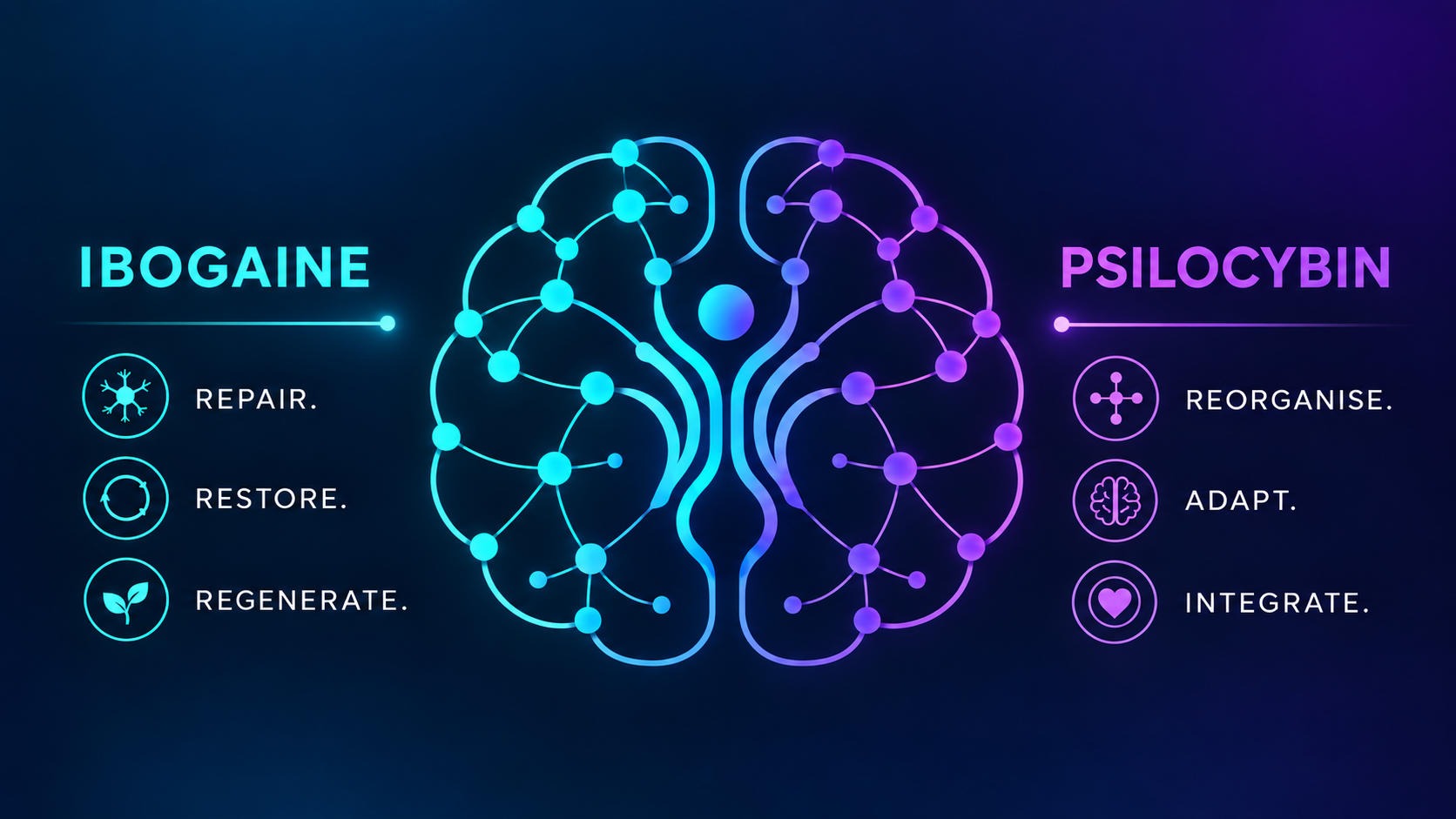
Ibogaine and Psilocybin in Brain Injury: Different Mechanisms, Different Possibilities
Interest in psychedelic medicine for traumatic brain injury has accelerated rapidly in recent years, with ibogaine and psilocybin emerging as two of the most promising compounds under investigation.
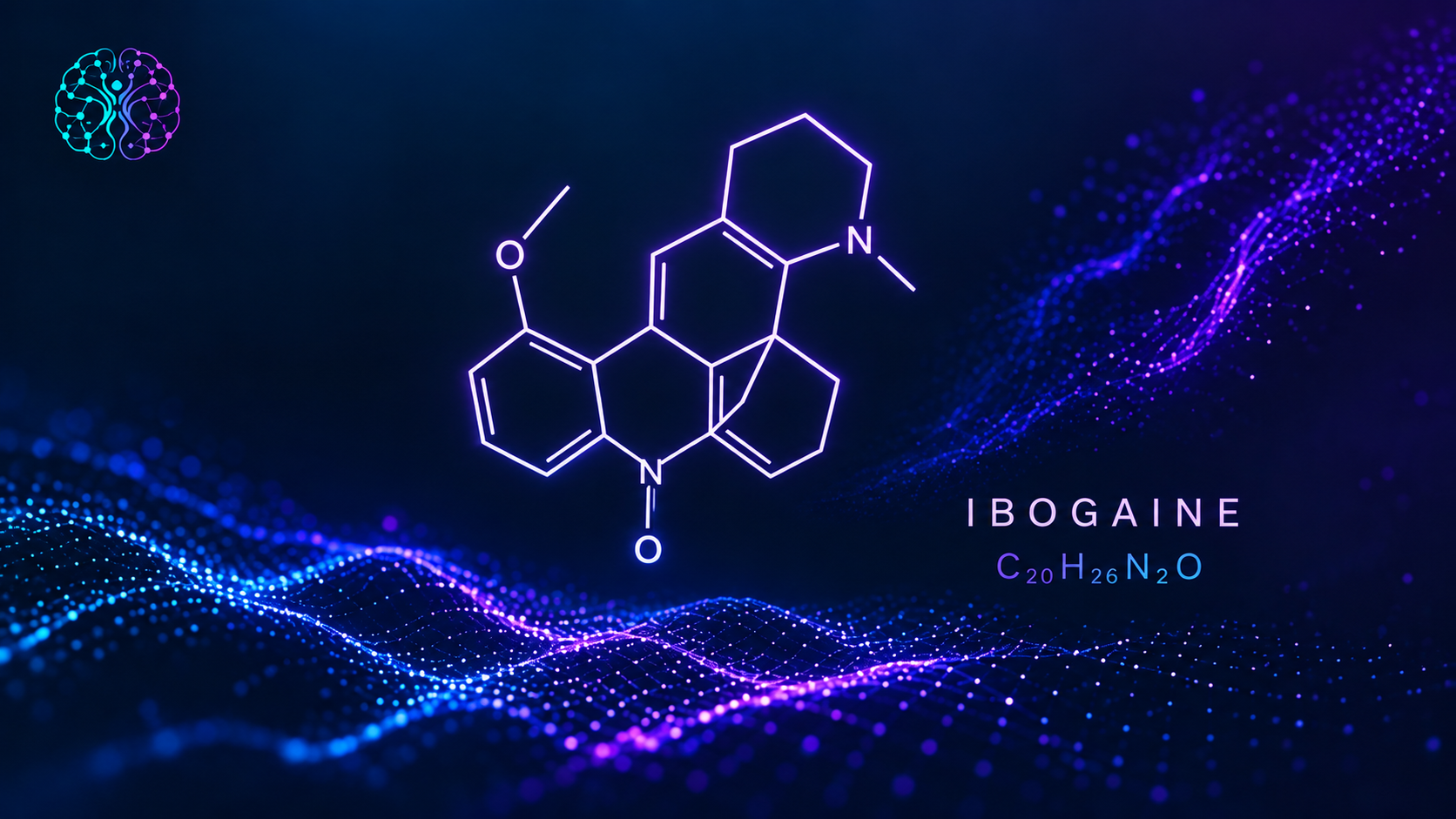
A New Iboga Microdosing Study Raises Important Questions for Brain Injury Recovery
A fascinating new case series has added to the growing conversation around Iboga and brain injury recovery.
Ibogaine, Brain Injury, and the Future of Neurorehabilitation
Emerging evidence in individuals with traumatic brain injury suggests psychedelics may drive meaningful improvements in cognition, mood, and trauma, signalling a potential paradigm shift in neurorehabilitation.
Could Psychedelics Be the Future of Brain Injury Treatment?
I’ve conducted an independently led study exploring the effects of psychedelics on individuals living with brain injury.